JOIN OUR WHATTSAPP GROUP
Regular car servicing is one of the most important steps in keeping your vehicle reliable, safe, and efficient. Yet many drivers still wonder: how often should you actually service your car? With modern engines, advanced lubricants, and smarter vehicle systems, service intervals have changed over the years.
Understanding the right schedule can help prevent costly repairs and extend your car’s lifespan. At LARWHEELS we emphasize that consistent maintenance is the key to long-term vehicle performance.
This 2026 guide explains how often you should service your car and what maintenance tasks should be done regularly.
Why Regularly Service Your Car?
Your car contains hundreds of moving parts that rely on proper lubrication, cooling, and alignment to work correctly. Over time, components wear out, fluids degrade, and filters become clogged.
Routine servicing helps:
- Prevent engine damage
- Improve fuel efficiency
- Increase vehicle lifespan
- Maintain safety and reliability
- Reduce the risk of breakdowns
Skipping regular service may seem harmless at first, but it can lead to expensive mechanical failures later.
Standard Car Service Intervals
Most manufacturers recommend servicing a car based on time or distance traveled. While every vehicle is different, these general guidelines apply to many modern cars.
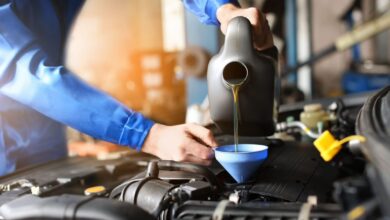
Every 5,000–10,000 km (or 3–6 months)
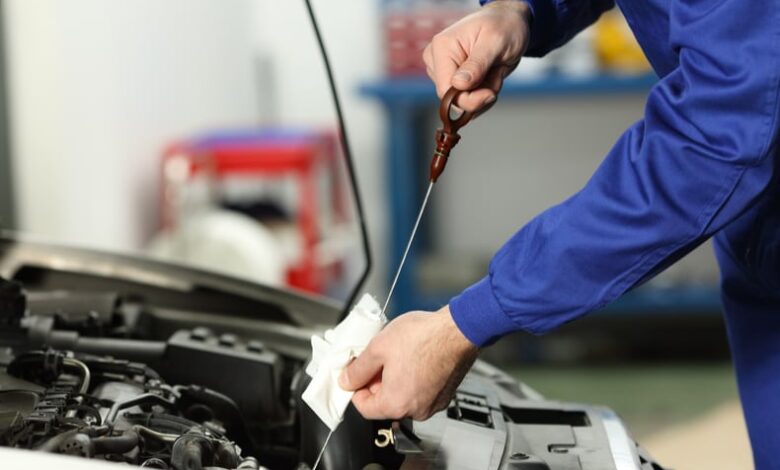
This is typically considered basic maintenance service. Key checks include:
- Engine oil replacement
- Oil filter change
- Tire pressure inspection
- Brake inspection
- Fluid level checks
High-quality engine oil plays a critical role here because it lubricates internal engine components and prevents overheating.
Every 20,000–30,000 km (or 12 months)
At this stage, mechanics perform a more comprehensive service, which may include:
- Air filter replacement
- Cabin filter replacement
- Brake system inspection
- Tire rotation
- Battery performance test
Clean filters help your engine breathe properly, improving fuel efficiency and engine performance.
Every 40,000–60,000 km
This is often considered a major service interval. Important maintenance tasks may include:
- Spark plug replacement
- Transmission fluid inspection or replacement
- Cooling system inspection
- Suspension checks
- Wheel alignment
Ignoring these components can reduce engine efficiency and cause noticeable driving problems.
Every 100,000 km
Many critical components require attention around this milestone. Major services may include:
- Timing belt inspection or replacement
- Coolant replacement
- Brake fluid replacement
- Fuel system cleaning
Replacing worn parts at this stage prevents severe engine damage.
Signs Your Car Needs Servicing Sooner
Even if you follow a maintenance schedule, your car may need service earlier depending on driving conditions. Watch for warning signs such as:
- Reduced engine performance
- Strange noises from the engine or brakes
- Poor fuel economy
- Vibrations while driving
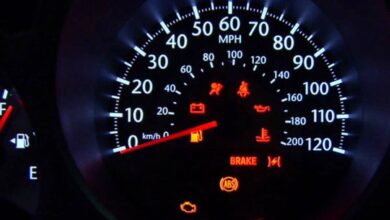
- Dashboard warning lights
If you notice any of these issues, it’s best to have your car inspected immediately.
Driving Conditions Matter
Your service schedule can also depend on how and where you drive. Vehicles used in harsh conditions often require more frequent maintenance.
Examples include:
- Driving in heavy traffic daily
- Frequent short trips
- Extreme temperatures
- Dusty or rough roads
- Carrying heavy loads regularly
Under these conditions, engine oil and filters may wear out faster.
Follow Your Manufacturer’s Guide
While general maintenance guidelines are helpful, the most accurate information always comes from your car’s owner’s manual. Manufacturers design service schedules specifically for each vehicle model.
LARWHEELS also provides helpful guides that simplify maintenance schedules so drivers can understand what their vehicles need and when
ALSO READ
- The Revolutionary Role of Adhesives in Modern Car Manufacturing in 2026
- 10 Powerful Ways to Improve Your Car’s Performance
Final Thoughts
Regular servicing is one of the simplest ways to protect your car and avoid unexpected repair costs. Whether it’s changing engine oil, replacing filters, or inspecting major components, staying on top of maintenance ensures your vehicle continues to run smoothly.
By following recommended service intervals and paying attention to warning signs, you can keep your car reliable for many years. In the long run, consistent maintenance is far cheaper than major repairs and helps ensure a safe and dependable driving experience.
JOIN OUR WHATTSAPP GROUP