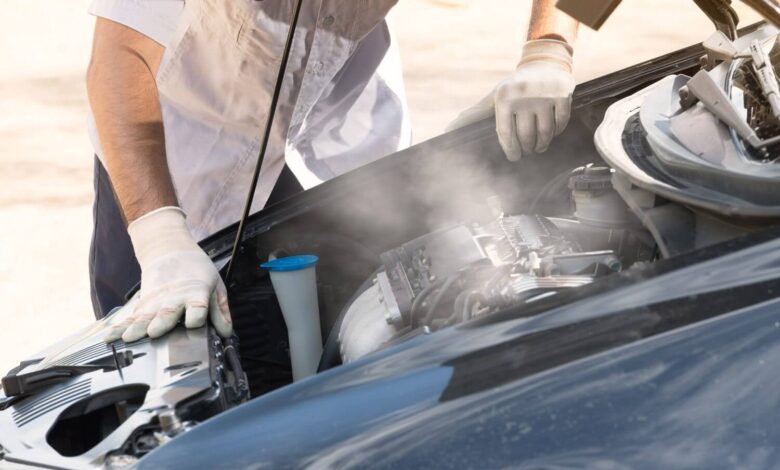
Few issues create more stress for drivers than seeing the temperature gauge move into the red zone. An overheating engine is more than an inconvenience — it can lead to severe and expensive damage if ignored. Understanding why your car overheats and how to address it can help you prevent breakdowns and protect your engine’s lifespan.
What Does Overheating Mean?
Your engine generates heat as it burns fuel. The cooling system — which includes coolant, radiator, thermostat, water pump, hoses, and cooling fans — regulates that heat. When any part of this system fails, the engine temperature can rise beyond safe operating limits.
Modern engines are designed to run efficiently within a specific temperature range. If that balance is disrupted, performance suffers and internal components may warp or fail.
Common Causes of Engine Overheating
Low Coolant Level
Coolant (also called antifreeze) absorbs heat from the engine and releases it through the radiator. If coolant levels drop due to leaks, evaporation, or neglect, the system cannot regulate temperature effectively.
Signs include:
- Rising temperature gauge
- Steam from under the hood
- A sweet smell from leaking coolant
Fix: Check coolant levels when the engine is completely cool. Refill with the correct coolant mixture recommended by your manufacturer. If levels continue dropping, inspect for leaks in hoses, the radiator, or the water pump.
Thermostat Failure
The thermostat controls coolant flow between the engine and radiator. If it becomes stuck closed, coolant cannot circulate properly, causing rapid overheating.
Signs include:
- Sudden temperature spike
- Inconsistent temperature readings
- Heater not working properly
Fix: Replacing a faulty thermostat is relatively affordable and can quickly resolve overheating caused by restricted coolant flow.
Radiator Problems
The radiator’s job is to dissipate heat from hot coolant. Blockages, corrosion, or external debris can reduce its efficiency.
Signs include:
- Coolant leaking from the front of the vehicle
- Overheating at both low and high speeds
- Visible corrosion or damaged fins
Fix: Flush the radiator to remove buildup and debris. Severely damaged radiators may need replacement.
Water Pump Failure
The water pump circulates coolant throughout the engine. If it fails, coolant stops moving, and overheating occurs quickly.
Signs include:
- Coolant leaking near the pump
- Grinding or whining noises
- Rapid overheating after startup
Fix: Replace the water pump and inspect the drive belt to ensure proper operation.
Cooling Fan Malfunction
Cooling fans pull air through the radiator, especially when driving at low speeds or idling. If the fan fails, airflow is insufficient, and heat builds up.
Signs include:
- Overheating in traffic but not on highways
- Cooling fan not turning on
Fix: Check electrical components such as fuses and relays first. Replace the fan motor or fan clutch if necessary.
Blown Head Gasket
A blown head gasket is a serious issue that allows coolant and combustion gases to mix, leading to persistent overheating and internal engine damage.
Signs include:
- White smoke from the exhaust
- Milky oil appearance
- Bubbling in the coolant reservoir
Fix: This repair requires professional attention and often significant engine work. Continuing to drive can cause severe damage.
How to Prevent Overheating
Preventive maintenance is the best defense against overheating. Follow these guidelines:
- Check coolant levels regularly
- Flush and replace coolant every two to three years
- Inspect hoses for cracks or leaks
- Keep the radiator clean
- Replace worn components before they fail
- Monitor your temperature gauge during long drives
What to Do If Your Car Overheats
If your engine begins to overheat while driving:
- Pull over safely as soon as possible.
- Turn off the air conditioning.
- Turn on the heater to help draw heat away from the engine.
- Do not open the radiator cap while the engine is hot.
- Allow the engine to cool completely before checking coolant levels.
If the issue persists, seek roadside assistance.
ALSO READ
Final Thoughts
Engine overheating is often preventable with proper maintenance and timely repairs. Addressing small issues early — such as low coolant or a faulty thermostat — can prevent major engine damage later. Staying proactive ensures better performance, improved reliability, and a longer lifespan for your vehicle.



One Comment