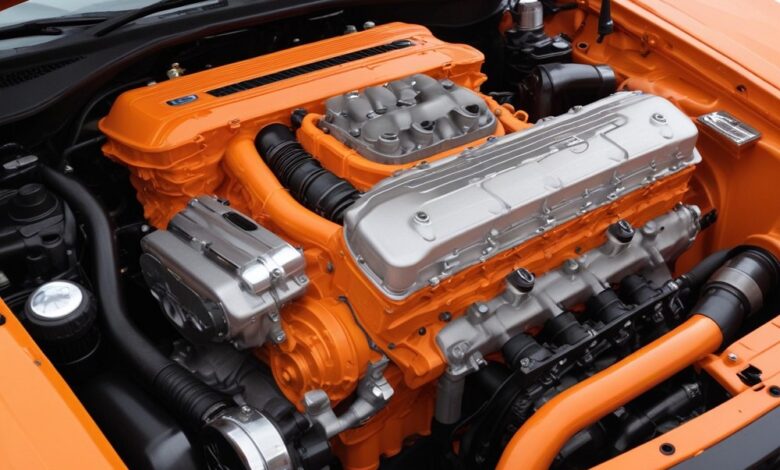
Every car owner wants a vehicle that runs smoothly, accelerates efficiently, and delivers reliable performance. While modern vehicles are designed with advanced engineering, their performance still depends heavily on proper maintenance, quality fluids, and smart driving habits. The good news is that you don’t always need expensive modifications to improve how your car performs. With the right approach, you can boost engine efficiency, responsiveness, and overall driving experience.
1. Use High-Quality Engine Oil
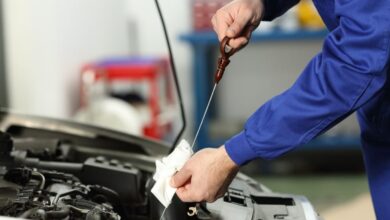
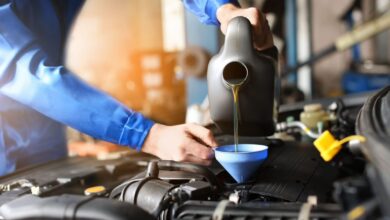
Engine oil plays a critical role in reducing friction and protecting internal engine components. Using high-quality or manufacturer-recommended oil ensures proper lubrication, smoother engine operation, and reduced wear. Regular oil changes also prevent sludge buildup that can restrict engine performance over time.
2. Replace Air Filters Regularly
Your engine needs a steady flow of clean air for efficient combustion. A clogged or dirty air filter restricts airflow, which can reduce engine power and fuel efficiency. Replacing your air filter regularly helps your engine breathe better and improves acceleration and responsiveness.
3. Maintain Proper Tire Pressure
Many drivers overlook tire pressure, but it has a significant impact on vehicle performance. Underinflated tires increase rolling resistance, which forces the engine to work harder and reduces fuel efficiency. Keeping tires properly inflated improves handling, fuel economy, and overall driving stability.
4. Use Quality Fuel
The quality of fuel you use directly affects engine performance. High-quality fuel burns more efficiently and reduces carbon buildup inside the engine. For vehicles that require premium fuel, using the recommended grade can significantly improve performance and engine longevity.
5. Replace Spark Plugs on Time
Spark plugs ignite the air-fuel mixture in the engine. Worn or dirty spark plugs can cause misfires, rough idling, and poor acceleration. Replacing spark plugs at recommended intervals ensures proper combustion and smoother engine performance.
6. Reduce Excess Weight
Carrying unnecessary weight in your vehicle forces the engine to work harder. Extra cargo in the trunk or unused equipment adds strain on the engine and reduces fuel efficiency. Removing unnecessary weight helps improve acceleration, braking, and overall vehicle performance.
7. Keep the Fuel System Clean
Over time, fuel injectors can accumulate deposits that affect fuel delivery and combustion efficiency. Using fuel system cleaners or performing periodic injector cleaning helps restore proper fuel flow and improve engine power.
8. Maintain the Cooling System
The cooling system plays an important role in keeping the engine at an optimal temperature. Overheating can damage engine components and reduce performance. Regularly checking coolant levels, radiator condition, and hoses ensures the engine operates efficiently even under demanding conditions.
9. Use Proper Lubricants for Moving Parts
Beyond engine oil, many vehicle components rely on specialized lubricants such as transmission fluid, gear oil, and greases. These fluids reduce friction in critical systems like the transmission, differential, and wheel bearings. Proper lubrication helps maintain smooth operation and prevents premature wear.
10. Follow a Preventive Maintenance Schedule
The most effective way to improve your car’s performance is to follow a consistent maintenance routine. Regular inspections, timely fluid changes, and replacing worn components before they fail can significantly improve reliability and performance.
Preventive maintenance not only protects the engine but also ensures that every system in the vehicle operates as intended.
ALSO READ
Final Thoughts
Improving your car’s performance doesn’t always require expensive upgrades or performance modifications. In many cases, proper maintenance and quality automotive fluids can make a noticeable difference in how a vehicle runs.
By focusing on essential areas such as engine oil, air filters, fuel quality, and lubrication, drivers can enhance engine efficiency, reduce wear, and extend the life of their vehicles. Consistent care and smart maintenance habits ultimately lead to better performance, improved fuel economy, and a more reliable driving experience.