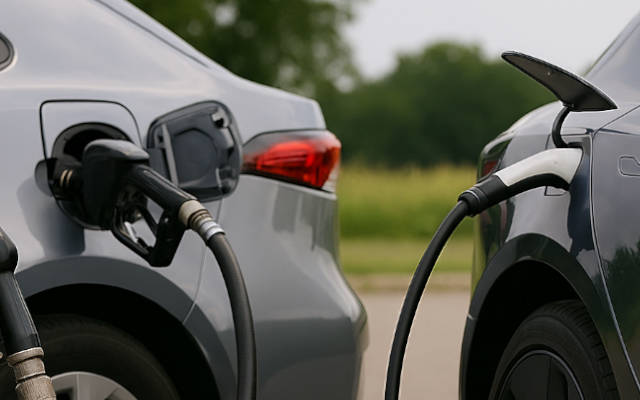
As automotive technology rapidly evolves, one of the biggest questions drivers face today is this: Are electric vehicles (EVs) cheaper to maintain than traditional gas-powered cars? With more EVs on the road than ever before, this comparison is no longer theoretical — it is a real decision for buyers in 2026.
In this article, we break down maintenance costs, long-term reliability, fluid requirements, and total ownership expenses to help you make an informed choice.
Basic Differences in Maintenance
At the core, EVs and gas vehicles are mechanically very different.
Gas-powered cars rely on internal combustion engines (ICE) that contain hundreds of moving parts — pistons, valves, timing components, pumps, fuel injectors, and complex multi-gear transmissions.
Electric vehicles use electric motors powered by battery packs. These systems have significantly fewer moving parts and eliminate many traditional maintenance items.
This mechanical simplicity is the primary reason EVs typically require less routine maintenance.
Oil Changes and Fluid Requirements
One of the most frequent maintenance costs for gas vehicles is engine oil service. Oil lubricates internal components and must be changed regularly to prevent wear and sludge buildup.
Gas vehicles typically require:
- Engine oil and filter changes
- Transmission fluid services
- Engine coolant
- Brake fluid
- Power steering fluid (in many models)
Electric vehicles do not use engine oil, spark plugs, or traditional fuel systems. However, they still require:
- Brake fluid
- Coolant for battery thermal management systems
- Cabin air filter replacements
The elimination of routine oil changes alone results in substantial long-term savings for EV owners.
Brake System Wear
Most electric vehicles use regenerative braking systems. This technology slows the vehicle by using the electric motor to recover energy and recharge the battery. As a result, friction brake components are used less frequently.
Gas vehicles rely entirely on friction-based braking systems, leading to normal wear of brake pads and rotors.
Because regenerative braking reduces mechanical brake usage, EV brake components generally last longer, reducing replacement frequency and cost.
Battery and Electric Motor Considerations
While EVs eliminate many traditional maintenance costs, they introduce new components to consider.
Battery Longevity
Battery replacement can be expensive if needed outside warranty coverage. However, most manufacturers offer battery warranties lasting 8 to 10 years or more. Modern battery management systems regulate temperature and charging behavior to extend battery life.
In real-world use, many EV batteries maintain strong performance well beyond warranty periods.
Electric Motor Reliability
Electric motors are mechanically simple compared to combustion engines. They have fewer failure points and do not require timing systems, fuel delivery components, or complex exhaust systems.
Major electric motor failures are relatively uncommon.
Common Repair Comparison
Gas Vehicles Typically Require:
- Regular oil changes
- Timing belt or timing chain maintenance
- Fuel system servicing
- Transmission servicing
- Exhaust system repairs
Electric Vehicles Typically Require:
- Brake fluid maintenance
- Battery cooling system service
- Tire rotations
- Suspension maintenance
The absence of combustion-related components significantly reduces potential failure points in EVs.
Insurance and Software Updates
Insurance premiums for EVs can sometimes be higher due to battery replacement costs in accident scenarios. However, many EV manufacturers provide over-the-air software updates that improve vehicle performance and address system issues without requiring dealership visits.
This reduces certain service appointments compared to traditional vehicles.
Total Cost of Ownership
When evaluating 5- to 10-year ownership costs, EVs generally show lower maintenance expenses compared to gas vehicles. The primary reasons include:
- No engine oil changes
- Fewer moving mechanical components
- Reduced brake wear
- No fuel system or exhaust maintenance
While upfront purchase prices for EVs may be higher, maintenance savings often offset part of that difference over time.
Final Verdict
In 2026, electric vehicles generally have lower routine maintenance costs than gas-powered cars. Their simplified drivetrain design, reduced fluid requirements, and lower brake wear contribute to long-term savings.
However, individual ownership costs depend on driving habits, local electricity and fuel prices, warranty coverage, and vehicle model.
ALSO READ
For drivers prioritizing lower routine maintenance and mechanical simplicity, EVs offer a strong advantage. For those focused on lower upfront cost and established repair infrastructure, gas vehicles remain a practical option.
Understanding these differences allows car owners to choose the vehicle type that best aligns with their long-term financial and performance goals.


One Comment