In recent years, one of the most common questions among car owners and enthusiasts is: Do modern engines really require special oils? With the automotive industry rapidly evolving — from turbocharged engines and direct injection to hybrid systems and start-stop technology — lubricant technology has had to advance just as quickly. But how important is it to use a specific oil type for newer engines? Let’s examine what experts and research indicate.
Why Engine Oils Matter More Today Than Ever
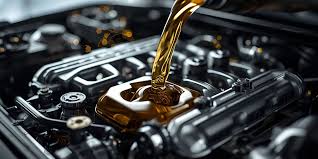
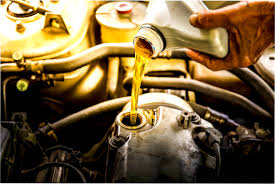
Engine oil is not just a fluid sitting in the oil pan — it is a critical performance component. Its primary role is to lubricate moving parts, reduce friction, manage heat, and prevent harmful deposits from forming.
Older engines often operated effectively with basic viscosity grades and simpler additive packages. However, modern engines run under significantly more demanding conditions:
- Higher combustion pressures, especially in turbocharged engines
- Tighter internal tolerances between components
- Extended oil change intervals
- Stricter emissions standards
- Advanced systems like direct injection and start-stop functionality
These developments place much greater stress on engine oil than engines from decades past.
ALSO READ
What “Special Oil” Really Means
When people refer to “special oil,” they usually mean one or more of the following:
- Specific viscosity grades such as 0W-20 or 5W-30
- Fully synthetic formulations
- Manufacturer-approved specifications
- Advanced additive packages
Understanding each factor is important.
1. Viscosity Requirements
Viscosity refers to an oil’s resistance to flow. Lower viscosity oils like 0W-20 or 0W-16 flow more easily at cold startup, reducing wear during the most critical moments of engine operation. Many modern engines are engineered specifically for these thinner oils to improve fuel economy and reduce internal friction.
Using a thicker oil than recommended may negatively affect fuel efficiency and oil flow, while using oil that is too thin for a particular engine design can compromise protection under heavy loads.
2. Synthetic Formulations
Synthetic oil has become the standard for many modern vehicles. Compared to conventional oil, synthetic formulations offer:
- Greater thermal stability
- Improved resistance to breakdown
- Better cold-start protection
- Longer service intervals
Because modern engines generate more heat and operate with tighter tolerances, synthetic oil provides the consistent protection these engines require.
3. Manufacturer Specifications
Vehicle manufacturers specify oil standards developed by organizations such as the American Petroleum Institute (API) and the European Automobile Manufacturers’ Association (ACEA). In addition, many brands require proprietary certifications.
These specifications ensure the oil meets performance standards for wear protection, deposit control, fuel economy, and emissions compatibility. Ignoring manufacturer requirements can potentially void warranties or contribute to long-term engine problems.
What Experts Emphasize
Lubrication engineers and automotive specialists consistently highlight several key points.
Modern engines are designed around specific lubricant properties. Bearing clearances, oil pump capacity, and emission systems are calibrated to operate with certain viscosity grades and additive packages.
Using the correct oil has measurable benefits. Studies and field testing show improved wear protection, cleaner internal components, and optimized fuel economy when manufacturer-recommended oils are used.
While using the wrong oil may not cause immediate failure, prolonged use can increase friction, accelerate component wear, and reduce overall efficiency.
Practical Advice for Vehicle Owners
To ensure proper engine protection:
- Follow the viscosity grade listed in your owner’s manual
- Choose synthetic oil if recommended
- Replace the oil filter during every oil change
- Adjust maintenance intervals based on driving conditions
- Avoid exceeding manufacturer-recommended oil change intervals
Modern engines are engineered systems where every component works in balance. Engine oil plays a central role in that system.
Final Verdict
Do modern engines require special oils? In most cases, yes.
Today’s engines are more advanced, operate under greater stress, and are designed with specific lubricant characteristics in mind. Using the recommended oil is not simply about following instructions — it directly impacts reliability, performance, efficiency, and long-term durability.
Selecting the right oil ensures your vehicle performs as engineered and helps maximize its lifespan with confidence.